19 Essential Safety Tips For Solo Women Travelers
✈️ Grab Your Free Travel Resources Inside → Get the Printables
Traveling solo as a woman can be empowering, and yes, safe… with the right precautions. This guide shares 19 essential, practical safety tips for solo women travelers to help you stay alert, confident, and protected wherever you go. From choosing the right accommodation to using tech wisely, these tips will help you travel smart and solo without fear.
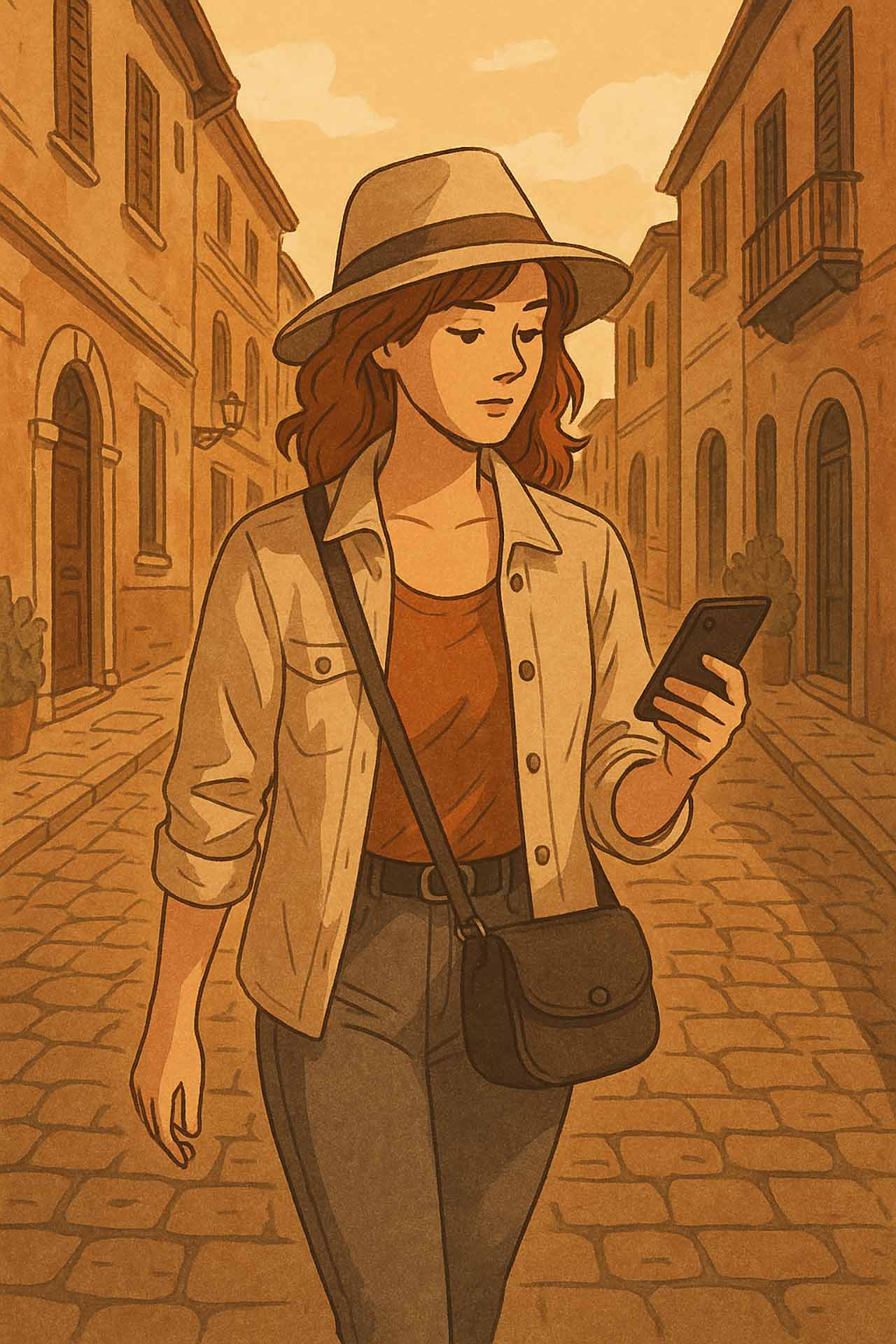
I have traveled across the US from west to east and back again, a few times. It’s always a mix of excitement and nerves. Excitement for the trip and the fun I’ll have, and nerves for the worry of safety making a big trip like that. I get this combo of emotions with any trip I go on, though. Long or short.
Women face unique challenges when traveling alone. While we don’t need to live in fear all the time, we do need to be extra vigilant about our safety.
Preparation and mindset are the keys to female safety while traveling, particularly for solo travelers like myself. This list covers the non-obvious safety strategies that actually help. Let’s dive in…

Before You Go
There are certain things you’ll want to do before you ever leave home. Things such as:
- Doing plenty of research on your destination and it’s surrounding areas. Go beyond tourism blogs and check local forums, expat groups, recent news, and yes… even Google street view. You’d be surprised how much that can tell you! Plus, it will help you get familiar with the area fast from the comfort of your own home, and help things feel a bit more familiar when you do arrived wherever you are going.
- Consider registering with the local embassy wherever you end up (or the closest one to you). While not everyone feels great about letting their government know where they are while traveling, there are some very definite benefits to doing so.
Emergency Alerts – You’ll be notified in the event of a natural disaster or political unrest as well as local safety updates.
Help During Crisis – You’ll get help faster if things like evacuations and emergencies such as was, protest, or a weather event. The embassy will be able to coordinate help for you.
Proof of Presence Abroad – Should you lose your passport or ID, being registered will help verify your identity and make the process of getting replacements go much faster.
Medical Assistance – In the event of a medial emergency, the embassy can connect you with the closest local hospital, communicate with your family to keep them in the loop, and guide you in next steps, depending on the situation.
Help If You Go Missing – Nobody wants to think that they might run into this type of trouble on vacation, but it happens. And in this event, you’ll be much easier to locate if you are registered. If somebody back home can’t reach you and files a missing person report, the fact that you are registered allows the embassy to legally step in and try to track you down.
Legal Help – Here again, nobody wants to think they will need this while traveling, but things happen. If you are detained, scammed, or in legal trouble, the embassy can provide guidance, translators, and even notify your emergency contacts.
Better Evacuation Access – Should you unexpectedly end up in a war zone or in the midst of a natural disaster, repatriation flights are often offered only to registered nationals first.
Peace Of Mind For Those Back Home – If your loved ones back home know that you are registered, it can give them some peace of mind knowing that there are people they can reach out to for help should something go wrong.
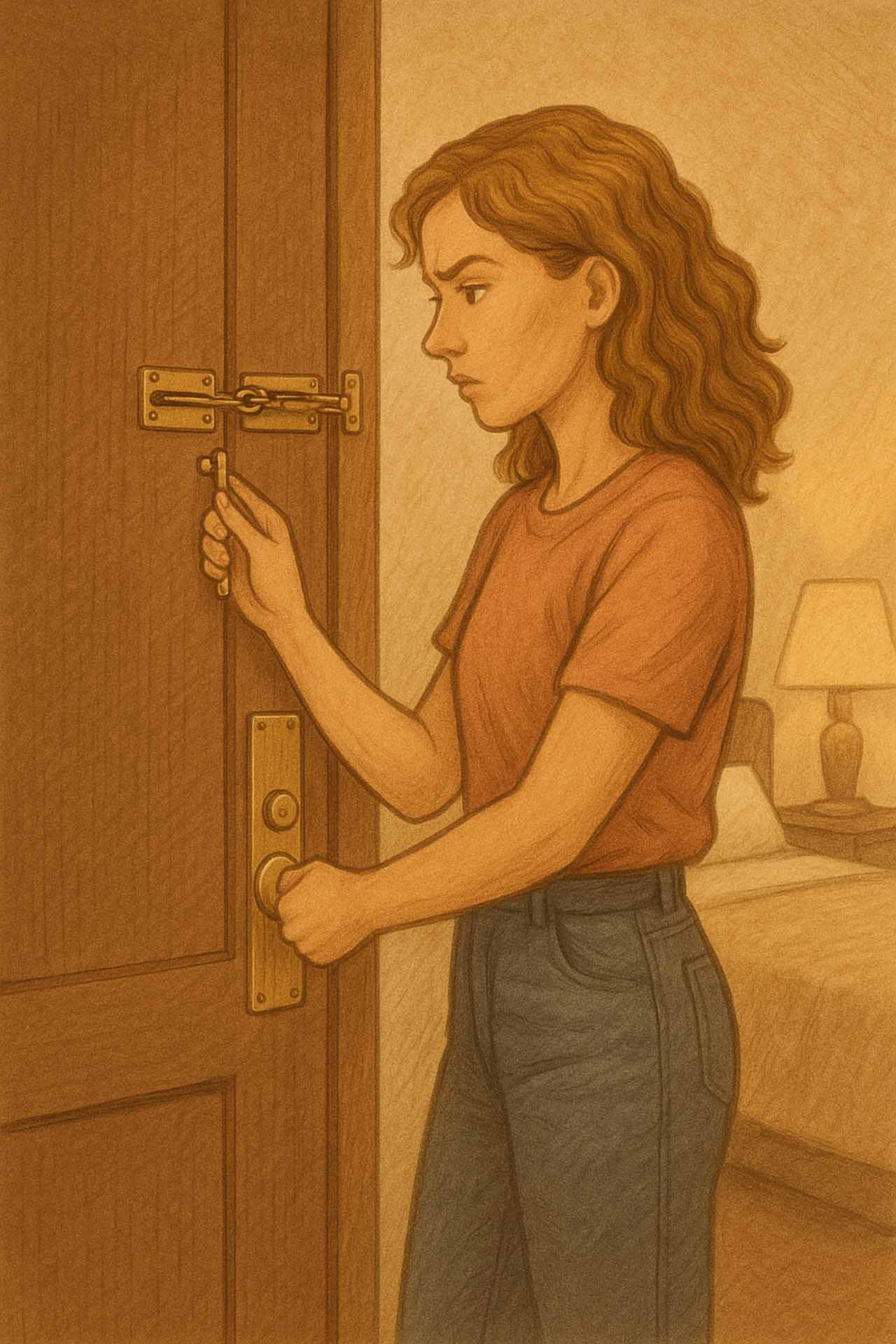
It’s Fast, Free, And Takes 2 Minutes – Programs such as the U.S. STEP program for the U.K.’s Foreign Travel Advice make it super simple to register your trip in minutes online. You can do this for short vacations for for moving abroad. - Pack With Safety In Mind. Things like anti-theft, cross-body bags, decoy wallets, alarmed door stoppers, hotel door locks, and portable chargers are all things you can invest in over time, long before you ever set foot on a plane. Just keep in mind that some personal safety items may not be legal in other countries. So choose carefully, particularly if the item you plan to take could be used as a weapon.
Navigating The Journey
While traveling, there are things you can do to minimize your chances of running into trouble.
- Blend in. Do your best to NOT look like a tourist. Dress the way the locals do, as much as possible, and avoid pulling out maps or phones in unsafe areas.
- Trust your gut. No matter how uncomfortable something may feel in the moment, if you think something is off, act on it immediately. Don’t wait around out of a duty to be polite. It’s okay to offend people in the interest of your own safety. No explanation needed. If your gut says get out, trust it. Look for a gas station, hotel lobby, or 24-hour store.
- Keep your location private. Don’t tag real-time locations on social media. Those social media posts can wait until you are sitting on tram heading back to your hotel. Use vague captions. Always delay posting by at least 1 day as often as possible.
- Share your location with trusted people. While you don’t want to share with people on the internet, the opposite is true with people you know and trust. Make darn sure they know where you are. Give them an itinerary, and check in regularly. Create a “check-in schedule” if need be, so that if you don’t check in at a certain time or day, they know to reach out or possibly send help. Share your location with these people as well.
Where You Stay Safely
It may seem like common sense, but common sense ain’t so common these days. So let’s review this just in case.
Smart & Safe Transport Tips for Solo Travel (Especially at Night)
- Always Sit In The Back Seat (Even in Ubers) – This keeps you out of reach, gives you more control over exits, and maintains personal space.
- Check Safety Locks – Before closing that Uber door, check the child locks to be sure they are off. Locking them is a tactic used to keep you in the car easily.
- Share Your Trip In Real Time – Use ride apps’ “Share Status” features to send your live route and driver info to a friend or family member.
- Ask The Driver Their Name Before Getting In – Don’t say, “Are you here for Tiffany?” Instead, ask “Who are you picking up?” to avoid scammers who say yes to any name.
- Avoid Calling for Rides Outside Bars or Clubs – Walk a block away to a well-lit area. You’ll be more alert and harder to target.
- Keep Maps Open and Track the Route – Whether on Google Maps or in the app, watch to make sure you’re going the right way. Speak up if the driver detours without explanation. The sooner you know you’re in trouble, the sooner you can react.
- Don’t Reveal You’re Alone – Say you’re meeting someone, or mention casually, “My friend is already there.” It helps reduce the perception of vulnerability.
- Choose The Window Seat In Public Transit – It gives you a visual exit plan and makes you harder to corner if the bus or train empties out.
- Avoid Empty Cars or Carriages – If you’re on a subway or train at night, move to a car with at least a few other passengers, ideally near the conductor.
- Use Well-Lit, Main Roads Over Shortcuts – Tell your driver you prefer staying on the main road, even if it takes slightly longer and costs a bit more. Safety over speed.
- Be Alert. Not on Your Phone or in Headphones – Especially when waiting for transport or walking at night. Awareness is your first line of defense.
- Have An Exit Plan – Always know how you’d leave a situation. Whether you’re at a club, a cafe, or on a tour. Sit facing the door. carry enough cash for a solo ride back to your hotel or hostel, and always, always, always, trust your exit instinct. Best case scenario, your gut turns out to be wrong and everything is fine. Worst case scenario, it could save your life. As women, our instincts are rarely wrong.
Bonus Tips
- Be aware of who is around and listening when you check into your hotel room. If the hotel staff say your room number out loud, request a different room and tell them why. Nobody needs to overhear your room number.
- Above all, travel empowered, not afraid. Trust yourself. If you are constantly afraid, you won’t enjoy your trip. The trick is to plan for the worst while enjoying the best.
Traveling as a solo digital nomad has made me very aware of my surroundings, but not in a way that forces me to live in fear. I move through the world (literally), with a different awareness than I had before, but it’s not a stressful one. It’s empowering because I know I’ve taken certain precautions for the “just in case” situations. The truth is, most people travel quite safely. So worrying constantly is pointless. Just be prepared.
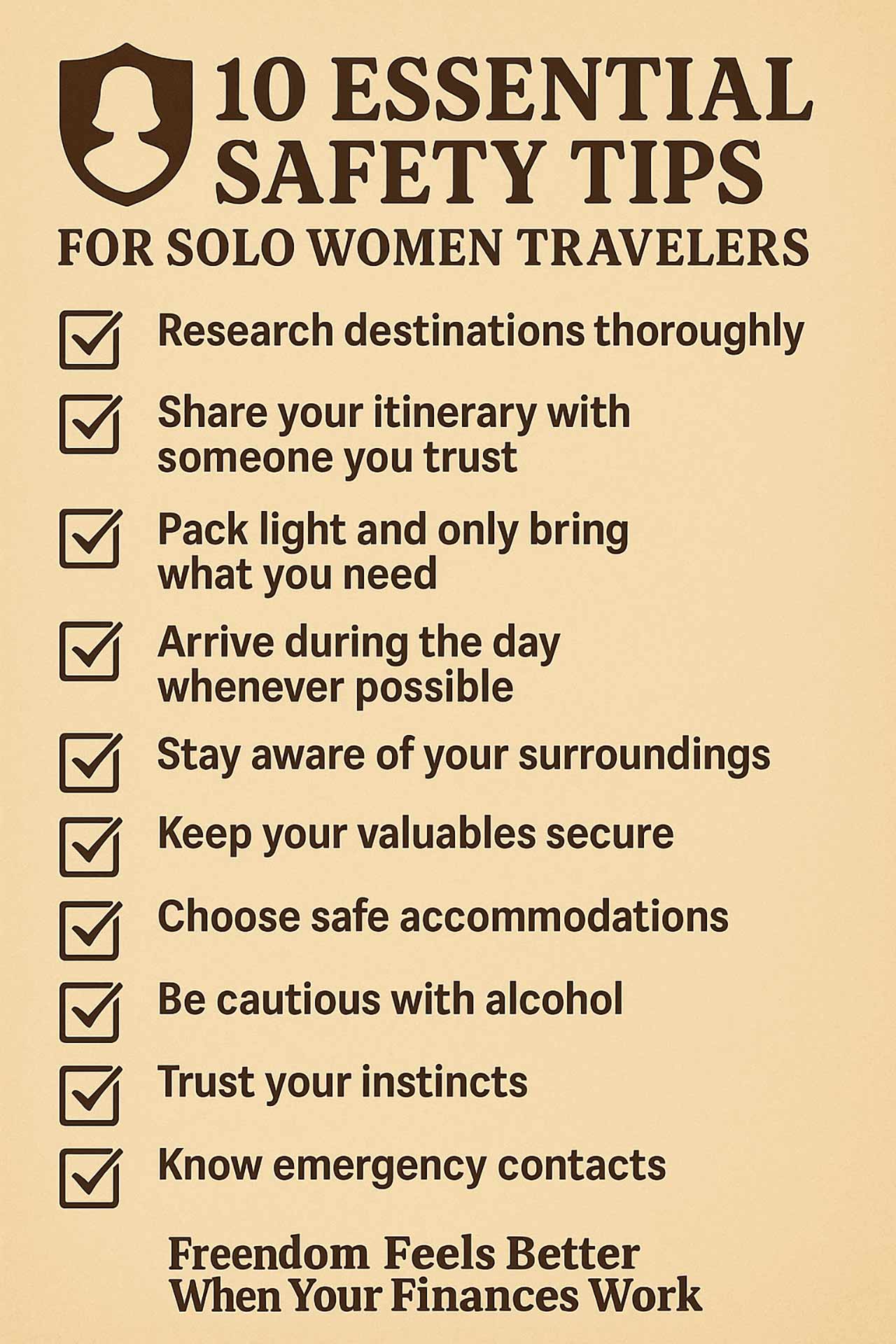
The Solo Travel Safety Checklist